What is dandruff?
What is dandruff and how do you get rid of it?
White flakes on your clothes, an itchy scalp, and the feeling that everyone notices... Dandruff is something many people deal with. Fortunately, it can usually be treated well, and it doesn't have to be complicated at all. In this blog, you'll learn exactly what dandruff is, how it develops, what the difference is with a dry scalp, and what you can do about it.
What is dandruff?
Dandruff is a harmless, but sometimes persistent, scalp condition. Skin flakes form and shed, often visible in your hair or on your clothes. These flakes can be white and dry or somewhat yellower and greasier, depending on your skin type. Dandruff often comes with itching or redness.
How do you get dandruff on your scalp?
Your scalp constantly produces new skin cells and sheds old ones, which is completely normal. But with dandruff, this process is accelerated, making the flakes more visible. This is often due to an oversensitive reaction to the skin yeast Malassezia, which everyone carries. For some, it causes no symptoms, for others it does.
Certain factors can worsen dandruff, such as:
- Stress
- Hormonal fluctuations
- Cold or dry air
- Oily skin
- Use of aggressive hair products
So, dandruff is not dirty or contagious; it simply means your scalp is temporarily out of balance.
Difference between dandruff and dry scalp
Dandruff and a dry scalp are similar but not the same.
With a dry scalp, you see fine, white flakes that are loose in your hair. The skin often feels tight and itches slightly.
With dandruff, the flakes are usually a bit larger, yellower, and stickier. They adhere more firmly to the scalp and are often accompanied by more itching or redness.
Dandruff is caused by a yeast reaction, while a dry scalp is often related to a lack of moisture or mild irritation. It's good to know the difference so you can choose the right treatment.
Is dandruff contagious?
No, you don't have to worry about transferring dandruff to others. Dandruff is an internal reaction of your skin and is not contagious. So, you cannot pass it on through your brush, towel, or pillow. Fortunately!
Is dandruff harmful?
Dandruff is mainly annoying, but not dangerous. It can look a bit less fresh and cause discomfort, but it doesn't damage your scalp or hair. In some cases, there is an underlying skin reaction, such as seborrheic dermatitis, but that is also treatable.
How do you get rid of dandruff?
Fortunately, you can do a lot to reduce dandruff. The basis? A good anti-dandruff shampoo. Choose one with active ingredients such as Burdock root extract.
Use the shampoo a few times a week and let it sit for 3 to 5 minutes before rinsing. Do you have a lot of flakes? Then a descaling agent can help; you apply it in the evening and rinse it out the next morning with shampoo.
Also important: look at your habits. Avoid hot water, blow-drying, scratching, and aggressive styling products. Prefer mild, fragrance-free hair care. And don't wash your hair too often; two to three times a week is often enough.
Your lifestyle also plays a role: eat healthy, drink enough water, and ensure sufficient B vitamins and zinc. Do you have a lot of stress or eat irregularly? That can worsen dandruff. Some people notice improvement with natural remedies such as tea tree oil or apple cider vinegar, definitely worth trying if you prefer mild and natural.
Suffering from persistent dandruff?
If symptoms persist after a few weeks, or if you notice red patches, thick flakes, or hair loss, it is wise to consult a doctor or dermatologist. Sometimes an underlying skin condition is at the root that requires extra care.
Dandruff is annoying but rarely serious, and fortunately often well managed with the right approach. Give your scalp the attention and care it needs, and you'll usually be rid of those annoying flakes quickly.
Looking for a mild and effective solution?
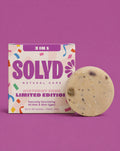
Discover our scalp-friendly hair care, specially developed to restore your scalp's balance, without harsh ingredients.
Before You Go…
Here are a few handpicked articles to inspire your next self-care moment.